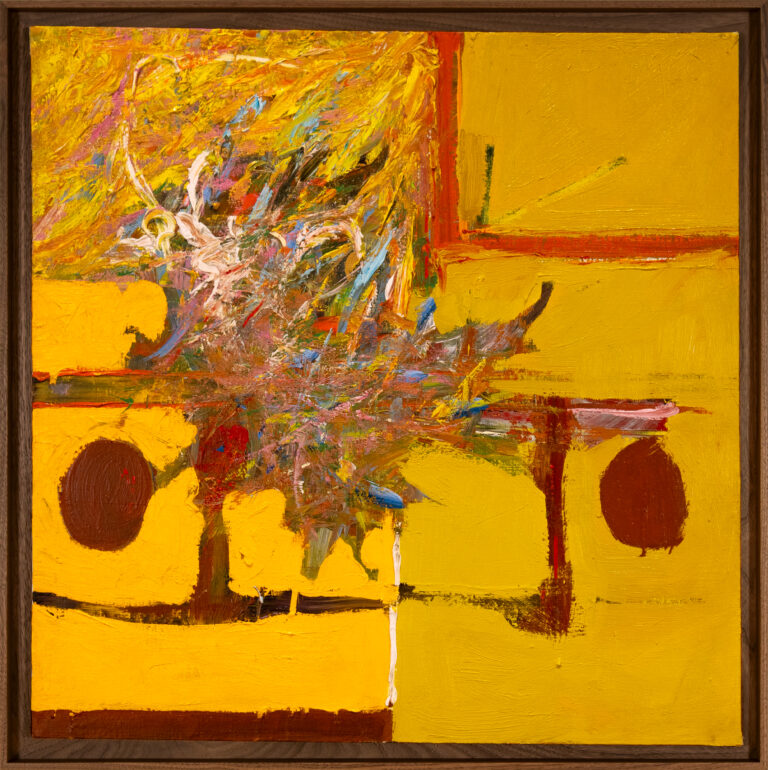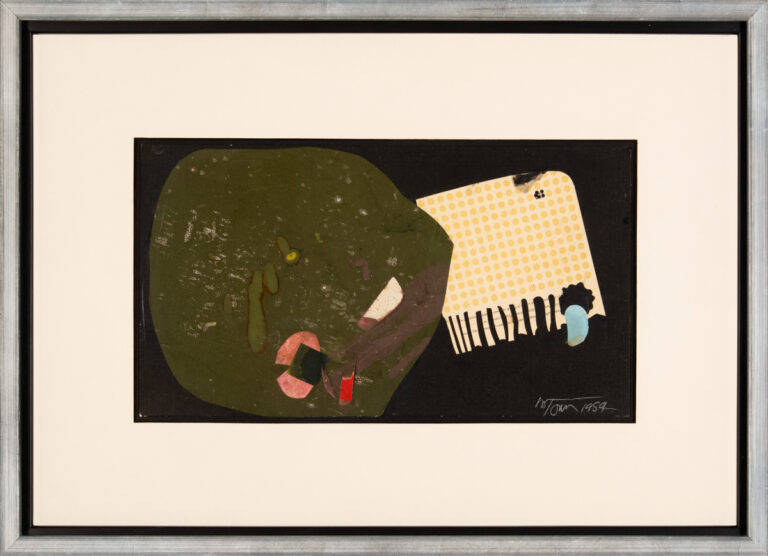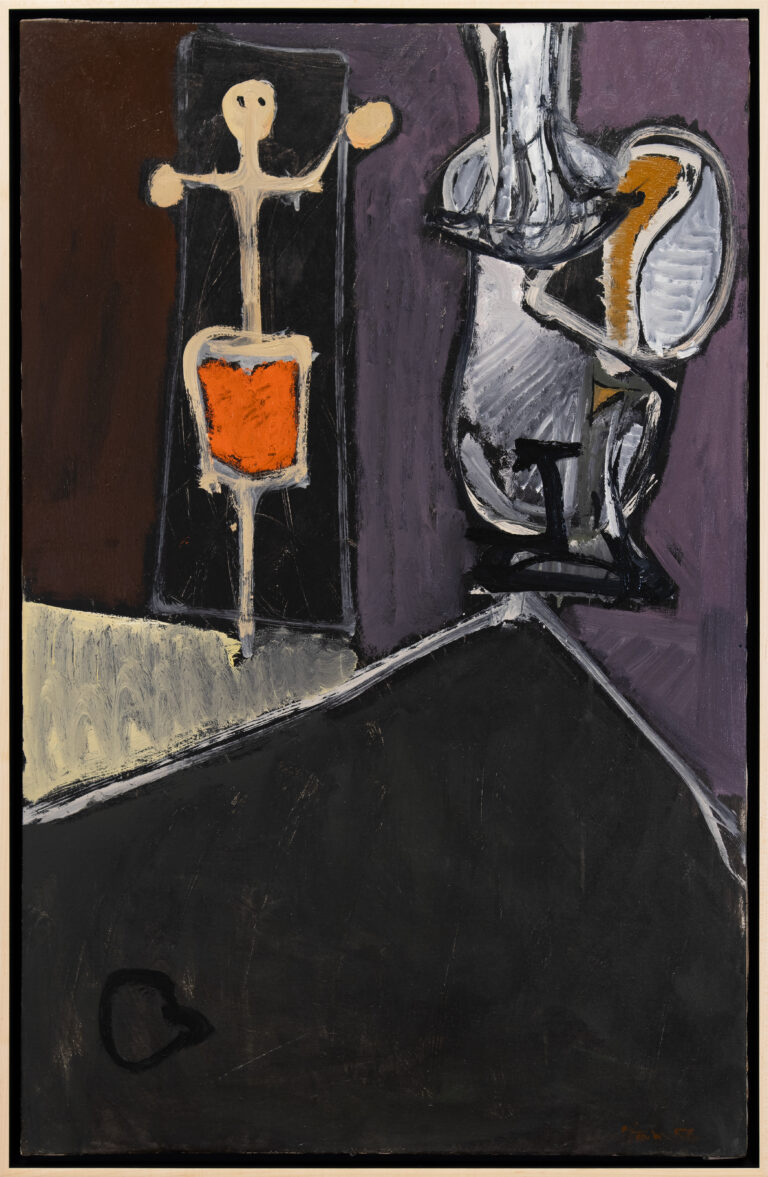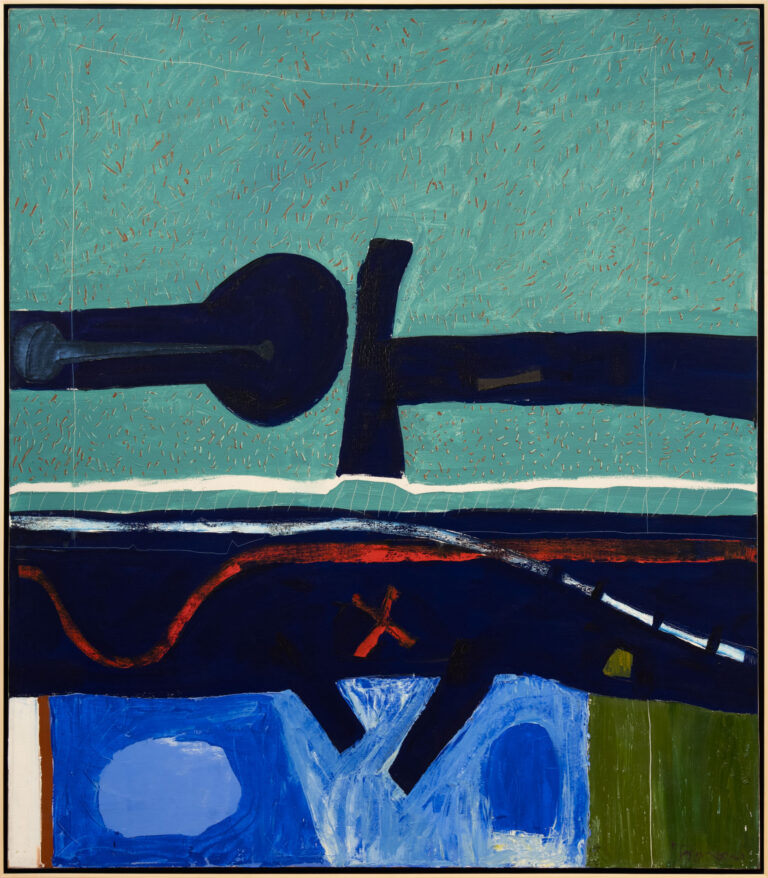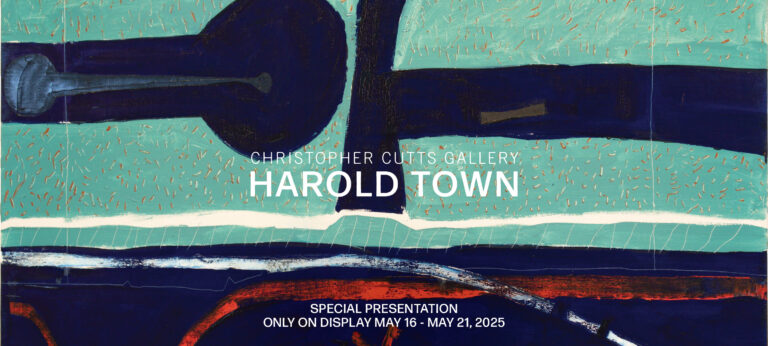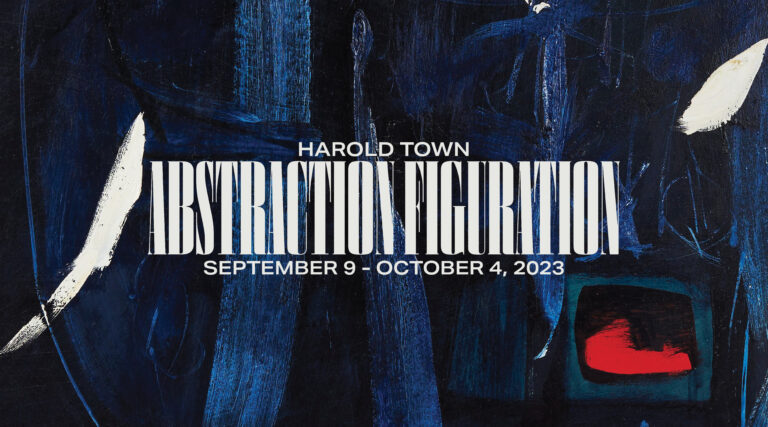
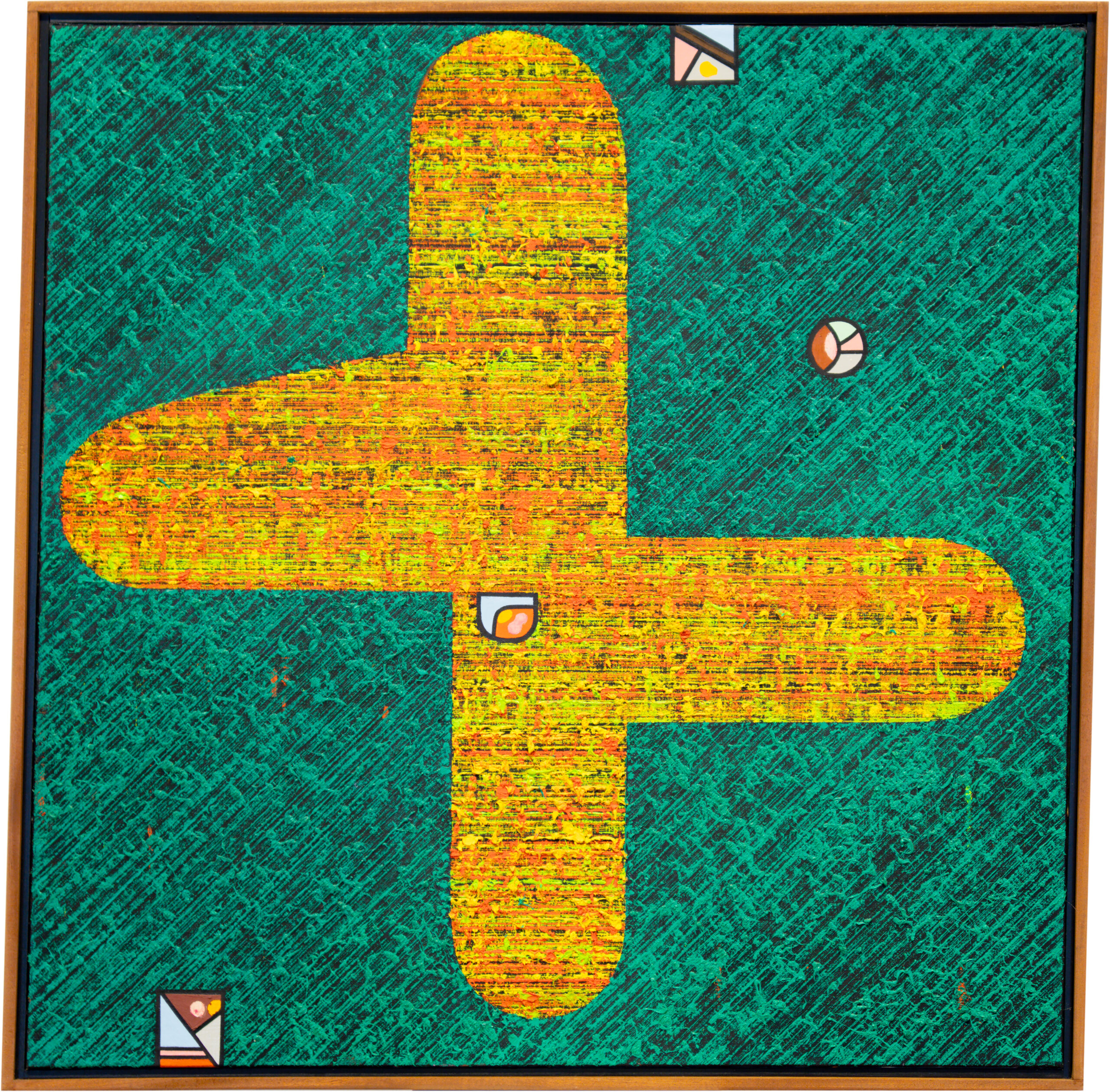
Harold Town (b. 1924, Toronto, Canada – 1990, Peterborough, Canada) was a seminal figure in 20th Century Canadian art —a formidable painter, accomplished draughtsman, revolutionary printmaker, and a member of the abstract collective Painters Eleven.
Harold Town rose to fame in the 1950s and 1960s with record-breaking sales, international exhibitions, and his controversially bold personality. He represented Canada at the Venice Biennale in 1956 and 1964. From the beginning of his career as the face of Toronto’s abstract expressionists to his 1986 retrospective at the Art Gallery of Ontario, he experimented with style and medium —from Single Autographic Prints to large abstract oil paintings, from Snap paintings to the Eccentrics series, and so on.
He was Canada’s most famous artist for decades, possessing a level of celebrity that allowed him to generate both excitement and controversy surrounding Toronto arts with his brash personality, outspoken opinions, and provocative ideas. He was extremely loyal to Toronto’s art scene despite all of his criticisms of Canadian ‘complacency’ and the lack of investment in arts and culture. He wanted to see it reformed, and be part of the reformation, rather than move to a potentially more boisterous international market. He was dedicated to transforming the landscape, and is now credited with proving that Canada could produce art and artists equivalent to those on the international stage. He and the members of the Ontario-based collective Painters Eleven have often been praised for forcing abstraction into the public consciousness.
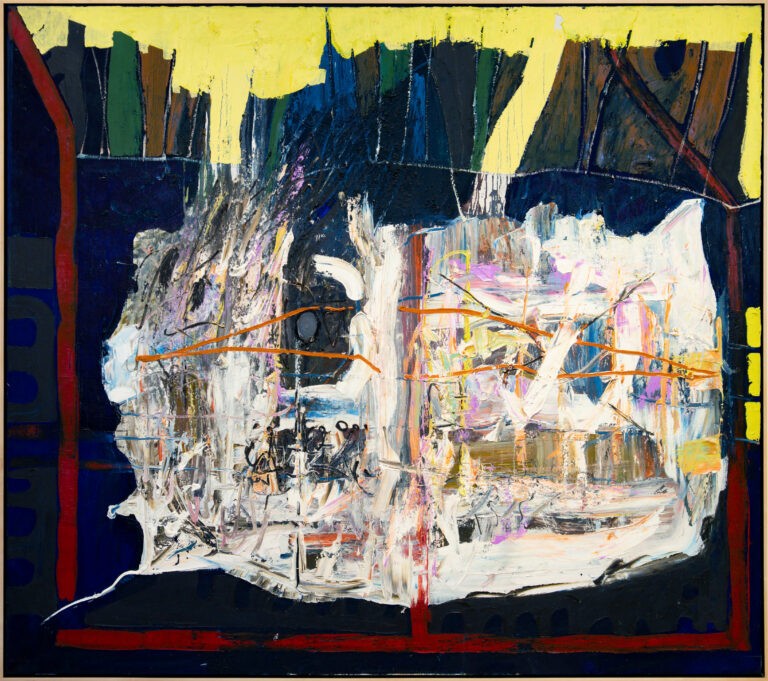
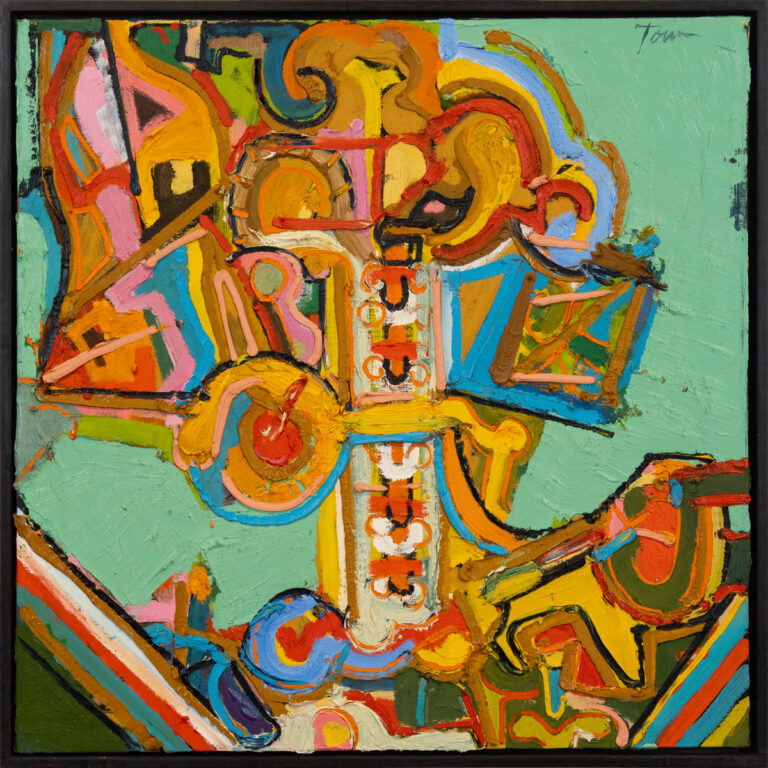
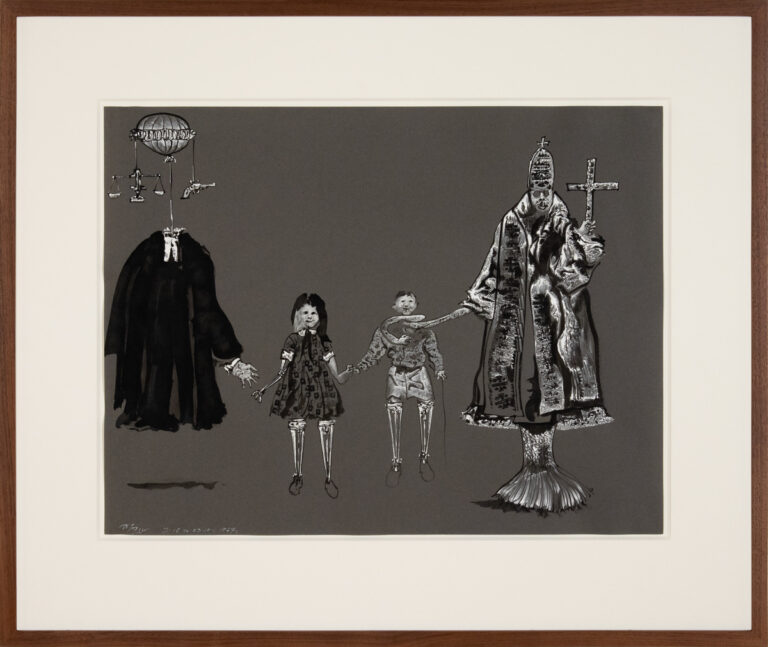
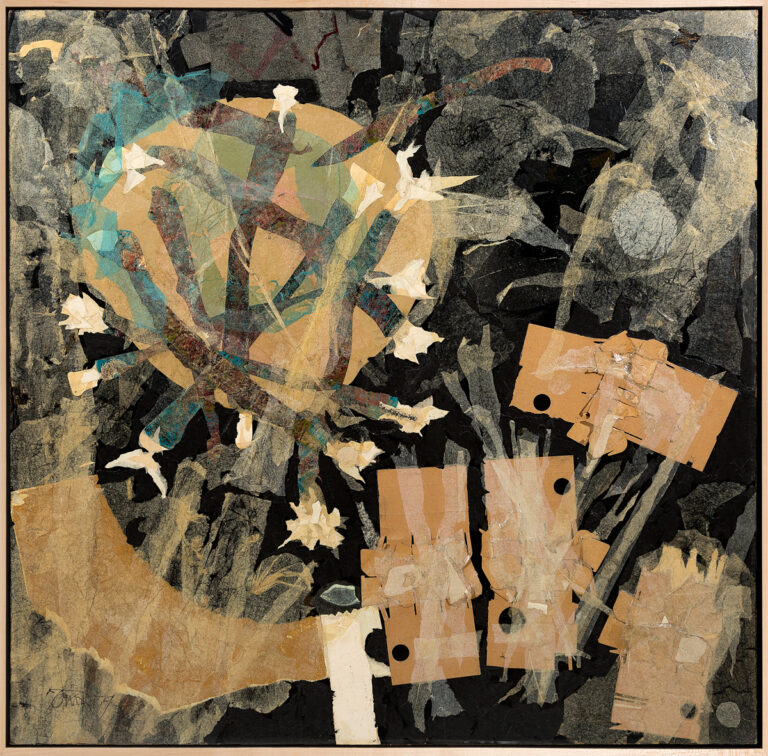
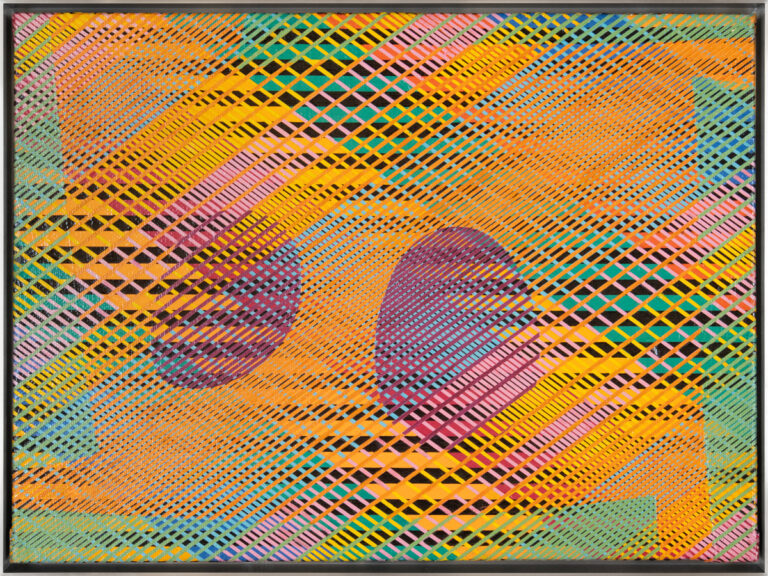
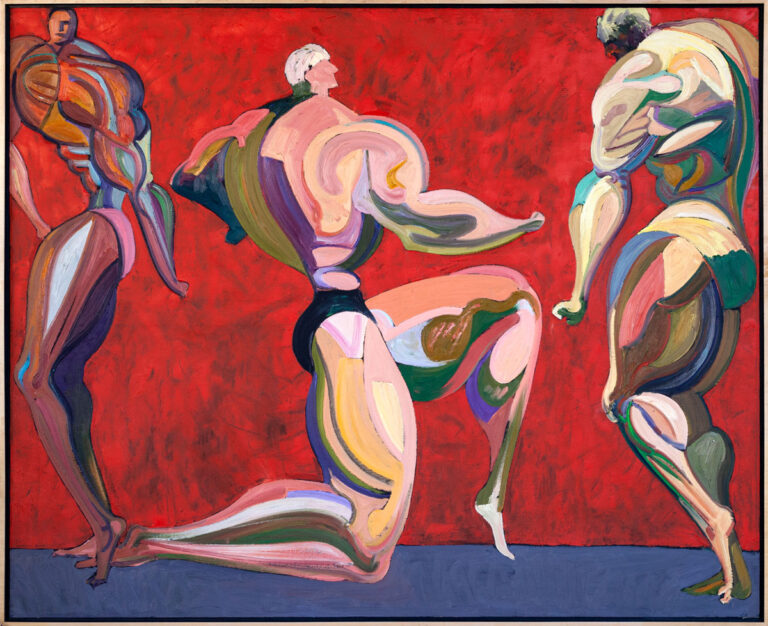
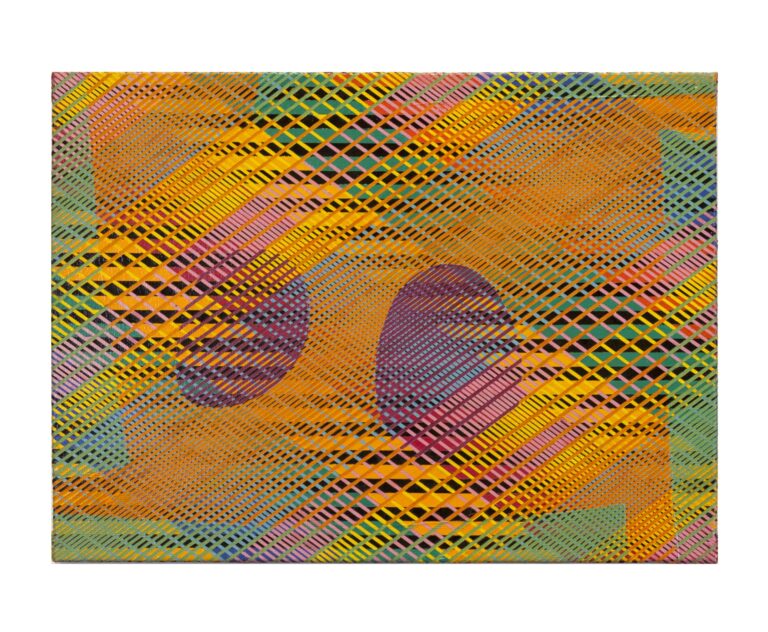
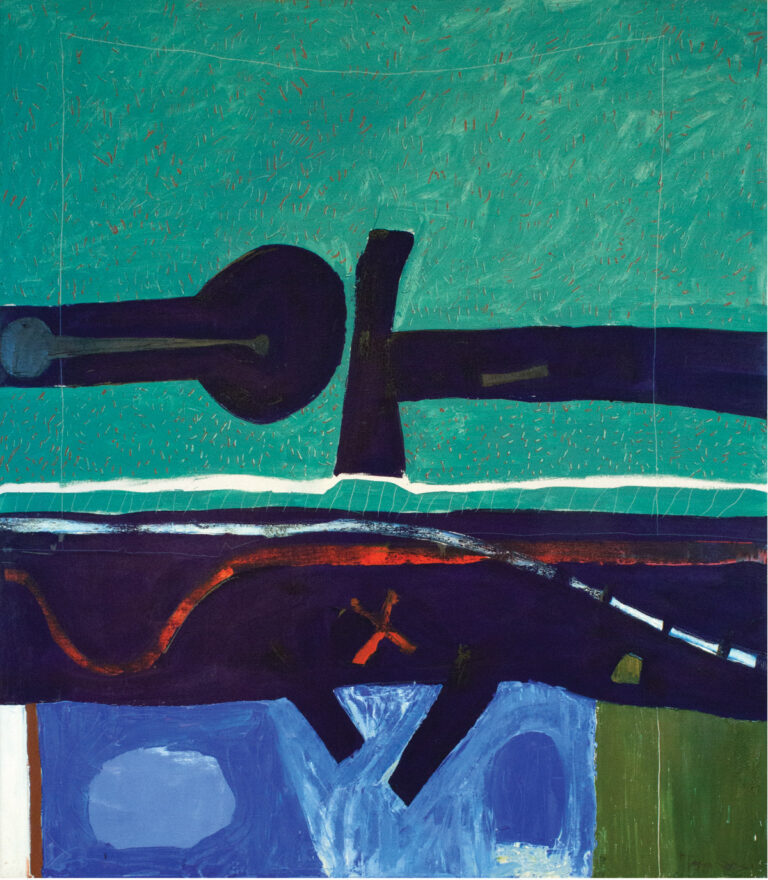
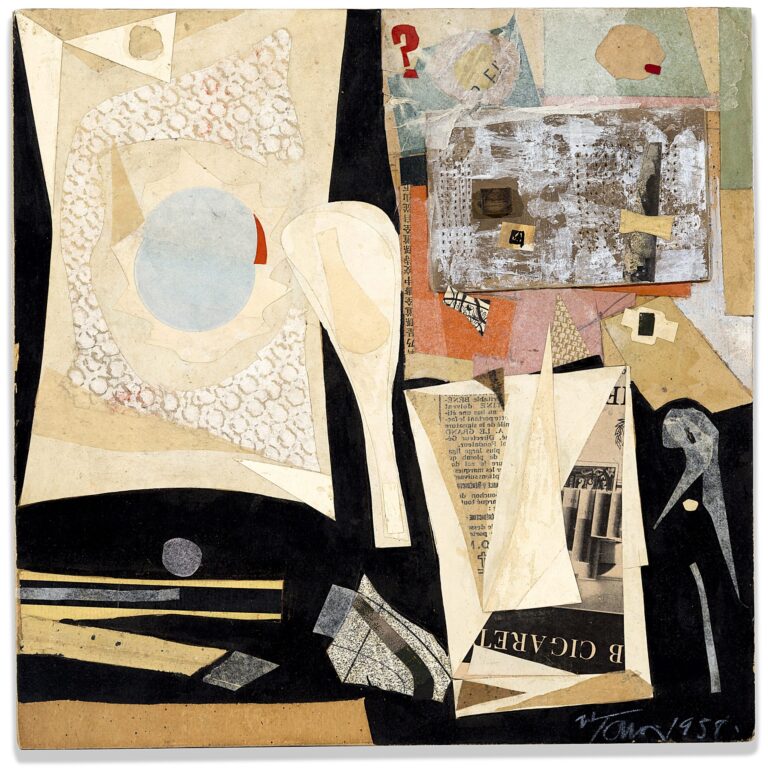
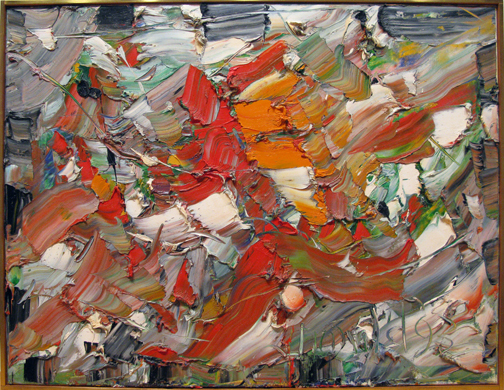
Though part of the abstract collective, Harold Town never limited himself to adhering to any movements or trends in style or content. While his peers established signature styles, Town developed a recognizable yet broad vernacular spanning numerous collage, drawing, printmaking, sculpture, and painting series. Town constantly developed new techniques of abstract painting, such as the oil-on-string method he used to create the Snap paintings.
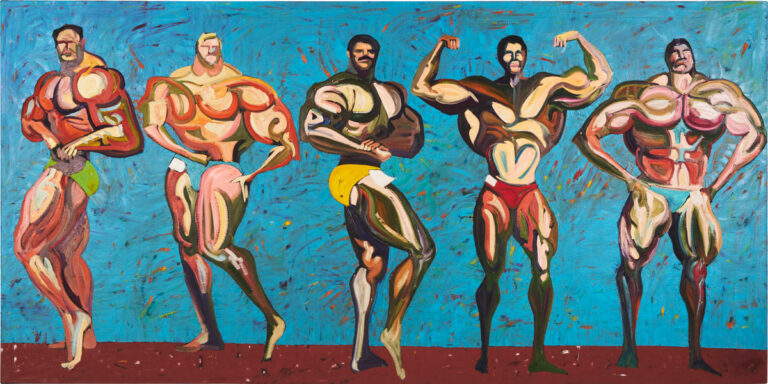
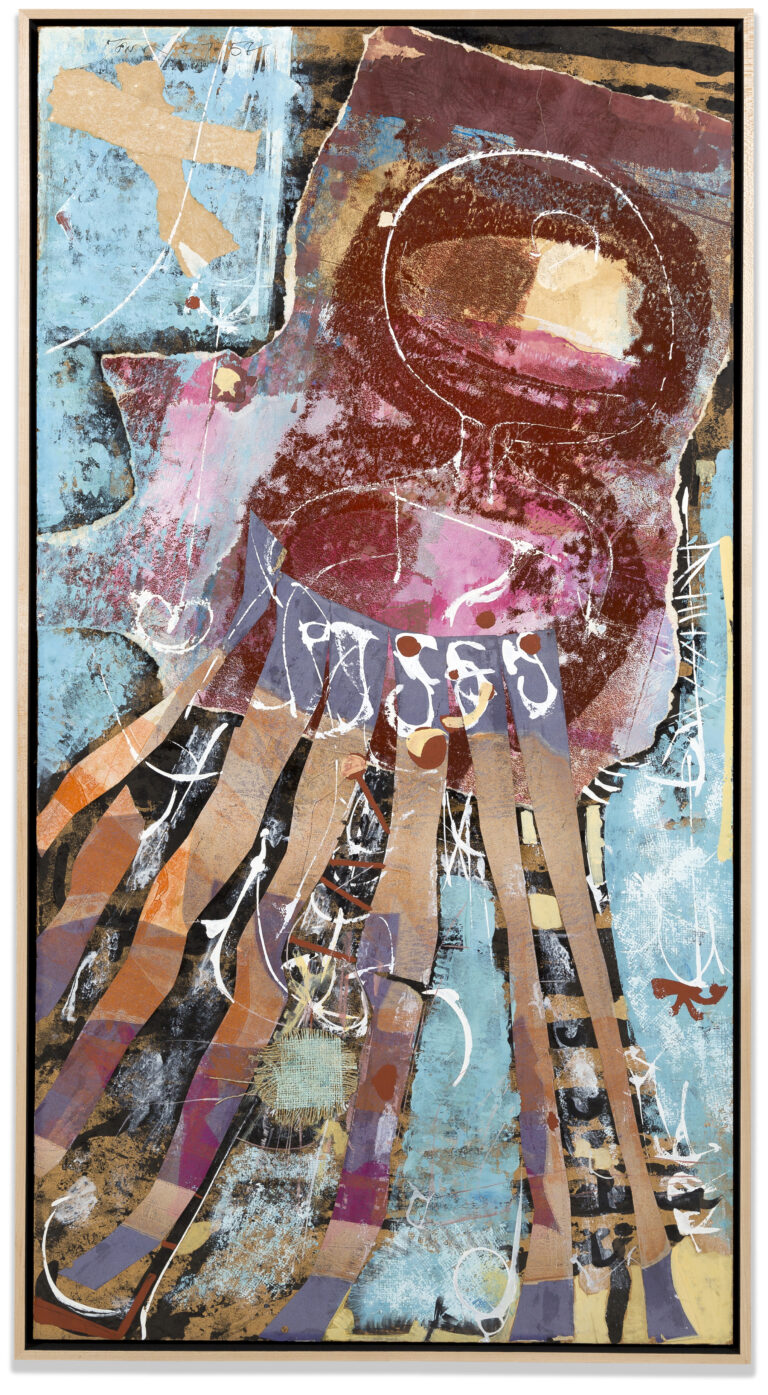
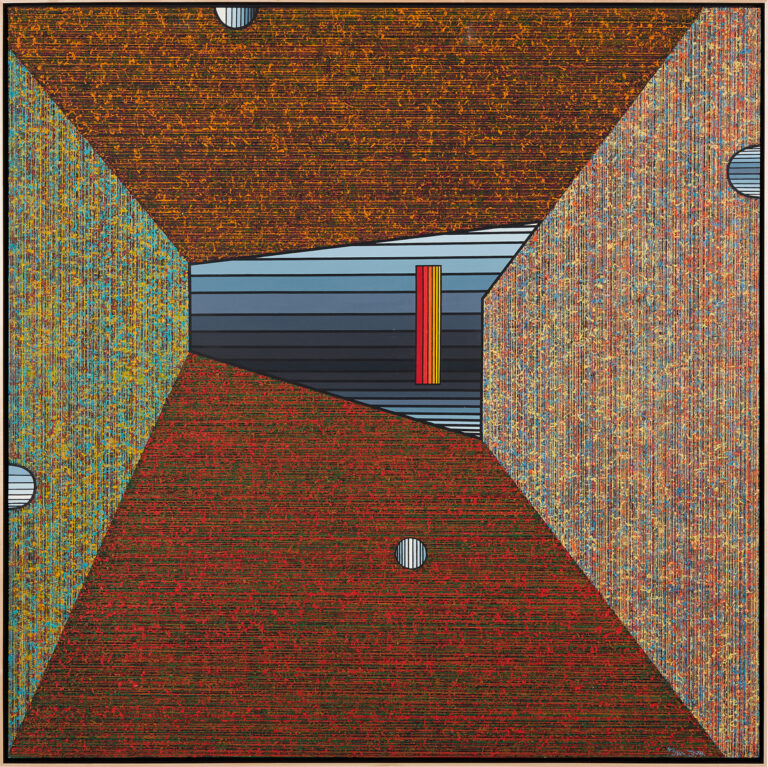
The Christopher Cutts Gallery is proud to represent his extensive oeuvre, which has retained a timeless quality even decades after its creation. Each of his pieces carries a sense of contemporaneity, as if they were created today. This selection touches upon aspects of Town’s diverse practice from the 1950s to the 1970s, showcasing major iconoclastic paintings that transformed Toronto’s art scene.
Get exclusive updates on exhibitions, events, and more.